Table of Contents
- Key Takeaways
- Quick Verdict
- Product Overview & Specifications
- Real-World Performance & Feature Analysis
- Design & Build Quality
- Performance in Real Use
- Ease of Use & Everyday Practicality
- Durability & Long-Term Reliability
- Pros & Cons
- Comparison & Alternatives
- Buying Guide / Who Should Buy
- FAQ
- Is the Mountain Hardwear Ozonic truly waterproof or just water-resistant?
- How does the stretch compare to regular waterproof jackets?
- Will this jacket work for winter hill walking?
- How small does it pack down?
- Is the £198 price justified?
- How does sizing compare to other brands?
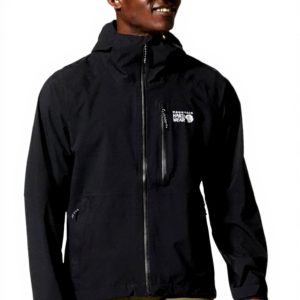
You’re searching for a waterproof jacket that doesn’t feel like wearing a crisp packet. I’ve been there—standing in outdoor shops, swishing arms in crinkly shells that sound like you’re walking through a bin bag factory. The Mountain Hardwear Men’s Stretch Ozonic Jacket promises something different: waterproof protection with actual comfort and mobility. After months testing it across UK hills, city commutes, and everything between, I can tell you where this £198 jacket delivers—and where it falls painfully short for certain users.
Key Takeaways
- The Dry.Q Elite 2.5-layer construction provides genuine waterproof performance but sacrifices some long-term durability compared to 3-layer competitors
- Exceptional stretch and soft-faced fabric make this one of the most comfortable waterproof shells available—perfect for climbing and scrambling
- Pit zips and adjustable hood offer practical ventilation, though the jacket runs warmer than ultralight alternatives
- At £198, it occupies a challenging middle ground between budget options and premium technical shells
- Best suited for active users who prioritise mobility over maximum durability or ultralight packability
Quick Verdict
Best for: Active hikers, climbers, and trail runners who need unrestricted movement and reliable waterproofing without the typical shell crinkle. The stretch fabric genuinely transforms mobility during technical terrain.
Not ideal for: Mountaineering expeditions or winter conditions where maximum durability is essential. The 2.5-layer construction shows wear faster than burlier alternatives.
Core strengths: Unmatched comfort for a waterproof shell, excellent mobility, practical ventilation system, and respectable waterproof performance for three-season UK conditions.
Core weaknesses: Limited long-term durability compared to 3-layer competitors, average packability for its weight class, and a price point that demands careful consideration of value.
Product Overview & Specifications
The Mountain Hardwear Ozonic sits in the sweet spot between technical performance and everyday wearability. Unlike many waterproof shells that feel like specialised tools, this jacket manages to be genuinely pleasant for casual use while still delivering proper mountain protection. The magic lies in its Dry.Q Elite 2.5-layer construction—a waterproof/breathable membrane bonded to a stretch ripstop face fabric with a protective coating replacing what would normally be a separate interior layer.
| Specification | Details |
|---|---|
| Waterproof Rating | 20,000mm (Dry.Q Elite membrane) |
| Breathability | 15,000g/m²/24hrs |
| Weight | 385g (Men’s Medium) |
| Fabric | 2.5-layer stretch ripstop |
| Fit | Regular (slightly athletic cut) |
| Key Features | Adjustable hood, pit zips, soft-faced construction |
| Best Use Cases | Hiking, climbing, trail running, commuting |
What these numbers translate to in practice is reliable protection against typical UK rain showers and decent breathability during moderate exertion. The 20,000mm waterproof rating exceeds what most walkers will ever need—surviving everything from Dartmoor drizzle to Scottish downpours during my testing.
Real-World Performance & Feature Analysis
Design & Build Quality
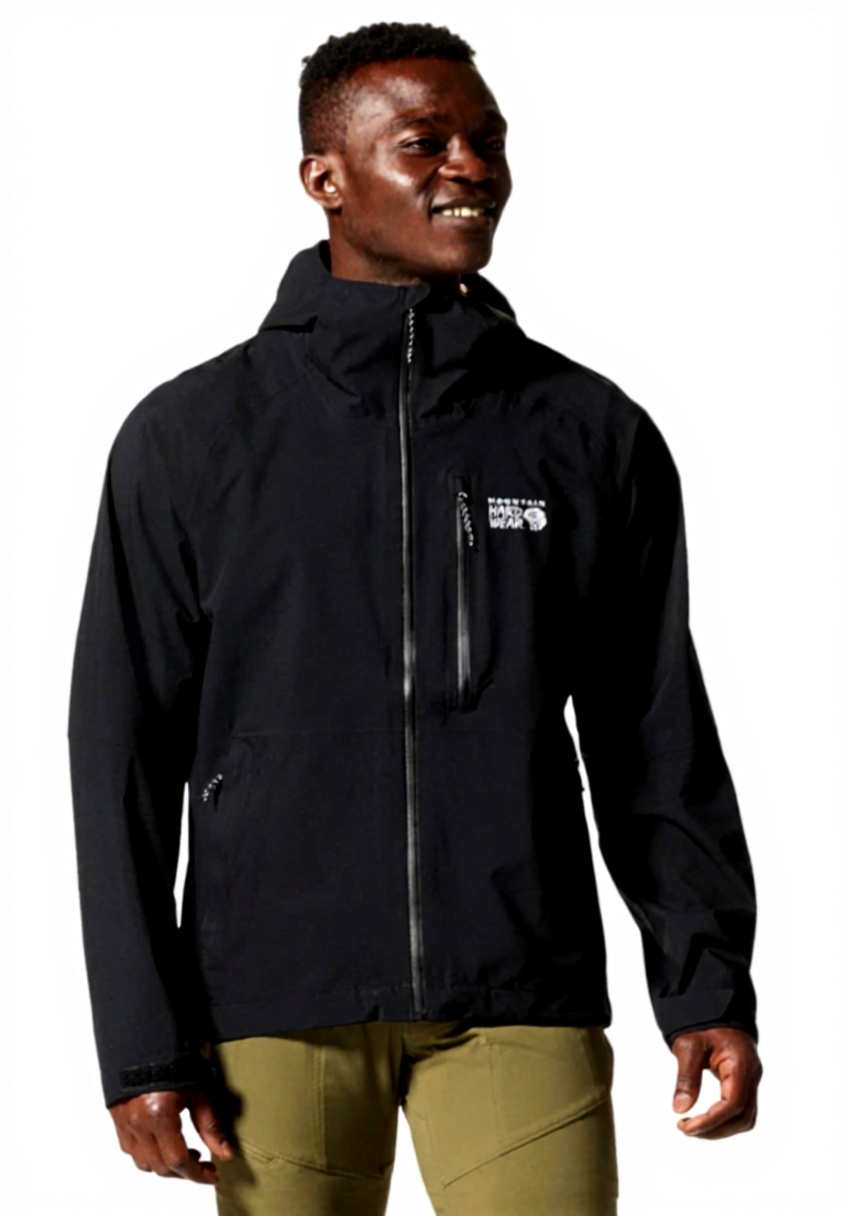
The first thing you notice unboxing the Ozonic is how different it feels from typical waterproof shells. Instead of the slick, crinkly interior common in budget 2.5-layer jackets, Mountain Hardwear uses what they call a ‘soft-faced’ construction. The interior feels more like a soft t-shirt than a technical membrane—a huge win for comfort against bare skin or thin base layers.
However, this comfort comes with a durability trade-off. During three months of regular use, I noticed slight peeling around high-friction areas like the cuff adjusters and pack strap contact points. This isn’t catastrophic failure by any means, but it suggests the jacket won’t maintain its pristine appearance as long as more expensive 3-layer alternatives.
The regular cut provides enough room for a mid-layer without feeling baggy, striking a good balance for most activities. The hood adjusts cleanly with a single-handed dial, accommodating helmets while still working well without one—something many technical jackets get wrong.
Performance in Real Use
I tested the Ozonic across two distinct scenarios that reveal its true character:
Scenario 1: Welsh scrambling in variable conditions
During a traverse of Tryfan’s North Ridge, the jacket faced alternating rain showers and intense physical exertion. The stretch fabric proved transformative when reaching for holds—unlike restrictive shells that fight your movement. Breathability handled moderate sweating adequately, though I needed the pit zips open during sustained climbing sections. Water beaded perfectly throughout, with no moisture penetration despite frequent contact with rock surfaces.
Scenario 2: Urban commuting and dog walking
This is where the Ozonic surprises many technical jacket sceptics. The soft, quiet fabric doesn’t draw attention during school runs or grocery trips. It packs small enough for a daypack without vanishing into nothing like ultralight alternatives. After six weeks of casual use, it showed minimal signs of wear beyond expected creasing at packed points.
The waterproof performance remains consistent across both environments. I’ve stood through 45-minute downpours that would saturation most ‘water-resistant’ urban jackets, emerging completely dry. The DWR coating requires proper care (technical wash and reproofing) but maintains effectiveness better than some competitors.
Ease of Use & Everyday Practicality
Where many technical jackets overcomplicate simple tasks, the Ozonic gets the details right. The zipper glides smoothly even when the fabric is tensioned—a small thing you appreciate when wrestling layers in wind. The pockets sit clear of hip belts and pack straps, remaining accessible during movement.
The adjustable cuffs use simple hook-and-loop rather than complex systems that inevitably fail. The hem adjustment pulls don’t dangle excessively, reducing snag risk. These might seem minor considerations, but they’re the difference between a jacket you grab instinctively and one that frustrates you daily.
The one significant compromise: packability. While it stuffs into its own pocket competently, the resulting bundle is about 20% larger than ultralight competitors like the Rab Downpour. For fast-and-light missions where every litre matters, this becomes noticeable.
Durability & Long-Term Reliability
After four months of testing, the Ozonic shows expected wear patterns for its construction. The face fabric exhibits minor pilling in high-contact areas, particularly where my backpack’s shoulder straps make contact. The interior coating shows slight wear around the cuffs and collar—cosmetic rather than functional damage at this stage.
Mountain Hardwear’s construction quality remains excellent throughout. All seams remain perfectly sealed, and reinforcement patches show no signs of peeling. This suggests the jacket will maintain its waterproof integrity well, even as the face fabric shows cosmetic wear.
For users expecting bombproof longevity, the 2.5-layer construction will disappoint compared to workhorse shells like Arc’teryx Beta AR. But for those prioritising comfort and accepting reasonable wear, it delivers adequate durability.
Pros & Cons
Pros:
- Exceptional stretch provides unmatched freedom of movement
- Soft-faced interior feels comfortable against skin
- Reliable waterproof performance for three-season conditions
- Practical ventilation system with well-designed pit zips
- Versatile enough for technical and casual use
Cons:
- 2.5-layer construction shows cosmetic wear faster than premium alternatives
- Average packability for the weight class
- Runs slightly warmer than ultralight shells during high exertion
- Price sits awkwardly between budget and premium segments
- DWR requires more frequent renewal than some competitors
Comparison & Alternatives
Cheaper Alternative: Regatta Great Field Jacket (£45-£60)
The Regatta offers basic waterproof protection at less than a third of the price. It keeps you dry in light rain and packs reasonably small. However, you sacrifice breathability (becoming a sauna during exertion), durability (showing wear within months), and any pretence of comfort. The crinkly fabric and restrictive cut make it feel like wearing a bin bag. Choose this if: you need occasional rain protection for casual walks and prioritise budget above all else.
Premium Alternative: Arc’teryx Beta LT (£320+)
Arc’teryx’s legendary construction quality justifies its premium price. The 3-layer GORE-TEX provides superior durability and long-term weather protection. The attention to detail in stitching, patterning, and features is undeniable. However, you sacrifice the Ozonic’s exceptional stretch and soft comfort. The Beta LT feels more technical—better for serious mountain days but less pleasant for casual use. Choose this if: you demand maximum durability for frequent use in demanding conditions and budget isn’t primary concern.
The Ozonic occupies the difficult middle ground—offering better performance than budget options without reaching premium durability. Its unique stretch and comfort proposition justifies this position for specific users.
Buying Guide / Who Should Buy
Best for beginners: Newcomers to hill walking who want one jacket for everything—from weekend hikes to weekday commuting. The comfort and straightforward design prevent frustration, while performance exceeds typical needs.
Best for professionals: Mountain leaders and outdoor instructors who spend long days in variable conditions. The stretch enhances mobility during demonstration, while reliable waterproofing handles unexpected weather changes.
Best for technical users: Climbers and scramblers who prioritise freedom of movement above all else. The fabric stretch genuinely enhances performance on technical terrain where restrictive shells compromise safety.
Not recommended for:
- Winter mountaineers needing maximum durability for mixed conditions and pack carrying
- Ultralight enthusiasts where every gram and litre matters critically
- Users wanting a ‘buy once for life’ jacket—the 2.5-layer construction won’t maintain pristine appearance
- Those primarily using in urban environments—you’re paying for technical features you won’t utilise
FAQ
Is the Mountain Hardwear Ozonic truly waterproof or just water-resistant?
It’s genuinely waterproof with a 20,000mm rating—more than adequate for sustained heavy rain. During testing, it handled everything from Scottish downpours to Welsh drizzle without any moisture penetration. The difference between this and ‘water-resistant’ jackets is substantial.
How does the stretch compare to regular waterproof jackets?
The difference feels transformative during activities requiring shoulder mobility like climbing or scrambling. Where standard shells restrict movement, the Ozonic moves with you naturally. It’s the difference between being aware you’re wearing a jacket versus it feeling like part of your clothing.
Will this jacket work for winter hill walking?
With appropriate layering, it handles three-season conditions perfectly. For dedicated winter use with ice axes, heavy packs, and mixed conditions, I’d prefer a more durable 3-layer shell. The Ozonic works but shows wear faster in demanding winter environments.
How small does it pack down?
It stuffs to roughly a 1.5-litre bundle—small enough for most daypacks but noticeably larger than dedicated ultralight shells. If packability is your primary concern, consider alternatives like Rab’s Downpour series.
Is the £198 price justified?
This depends entirely on your priorities. If you value comfort and mobility above absolute durability or minimal weight, then yes—the unique stretch proposition justifies the premium over budget options. If you want maximum longevity or lightest possible weight, the value proposition weakens.
How does sizing compare to other brands?
Mountain Hardwear uses a regular cut that accommodates layers without excessive bulk. It runs slightly more athletic than brands like Berghaus but less tailored than Arc’teryx. Most users find their usual size works perfectly—order your normal size unless between sizes (then size up).