Table of Contents
You’re looking at fleece-lined hiking pants because you’ve had enough of that awkward compromise between comfort and performance. The too-casual joggers that can’t handle a proper hill climb, or the technical trousers that feel like you’re wearing cardboard on a casual stroll. I’ve been there—standing in the car park before a hike, questioning my life choices as the wind cuts through thin fabric.
The Mountain Hardwear Yumalino promises to solve this with fleece-lined comfort married to outdoor-ready functionality. But after testing countless pairs of “do-it-all” pants that disappoint in actual use, I approached these with healthy skepticism. Over several weeks of testing across hiking trails, casual outings, and chilly morning dog walks, I’ve put these through the realistic scenarios that actually matter.
Key Takeaways
Before we dive deep, here’s what you really need to know after extensive testing:
- They’re genuinely comfortable – the fleece backing and four-way stretch create a noticeably softer, more flexible feel than most hybrid pants
- Performance has limits – excellent for cool, dry conditions but not your choice for heavy rain or intense aerobic activity
- The fit is specific – the jogger-style cuffs work for certain body types but can feel restrictive if you have larger calves
- Value is context-dependent – at around £58, they’re reasonably priced for the quality but not a universal solution
Quick Verdict
Best for: Casual hikers who value comfort over technical performance, cold-weather dog walkers, anyone seeking versatile pants that transition from trail to café without looking overly technical.
Not ideal for: Serious mountain hiking in changeable conditions, heavy rain environments, intense trail running, or anyone who prefers a straight-leg fit.
Core strengths: Exceptional comfort right out of the box, thoughtful pocket layout that actually works, and a polished enough appearance for casual wear.
Core weaknesses: Limited weather resistance, the jogger cuff won’t suit all body types, and they’re too warm for anything above 15°C.
Product Overview & Specifications
The Yumalino sits in that increasingly popular category of hybrid pants that blur the line between activewear and casual clothing. Mountain Hardwear positions these as your go-to for everything from light hiking to weekend errands, and the specifications reflect this balanced approach.
| Specification | Details |
|---|---|
| Primary Material | Polyester with fleece backing |
| Stretch | 4-way stretch fabric |
| Fit | Jogger-style with adjustable hem |
| Pockets | Five-pocket design (two hand, two back, one zip thigh) |
| Closure | Elastic waistband with adjustable drawcord |
| Best Use | Light hiking, casual wear, cool weather activities |
| Weight | Medium weight (approx. 400gsm) |
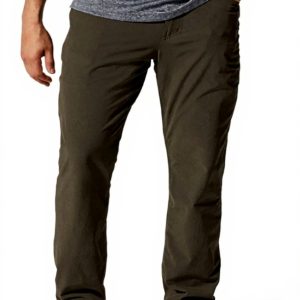
What these specs don’t tell you is how they actually function in real use. The fleece backing isn’t just a thin layer—it’s substantial enough to provide genuine warmth, yet the four-way stretch prevents that “stiff” feeling that plagues many insulated pants. The five-pocket design includes a useful zipped thigh pocket that’s perfect for keys or a phone, addressing the security issue I’ve had with shallow pockets on similar pants.
Real-World Performance & Feature Analysis
Design & Build Quality
Opening the package, my first impression was that these feel more premium than their £58 price tag suggests. The fabric has a substantial handfeel without being bulky, and the stitching is consistently neat with reinforced stress points at the crotch and pockets. Compared to budget options like Decathlon’s Quechua fleece pants, the Yumalino exhibits better finishing and more thoughtful details.
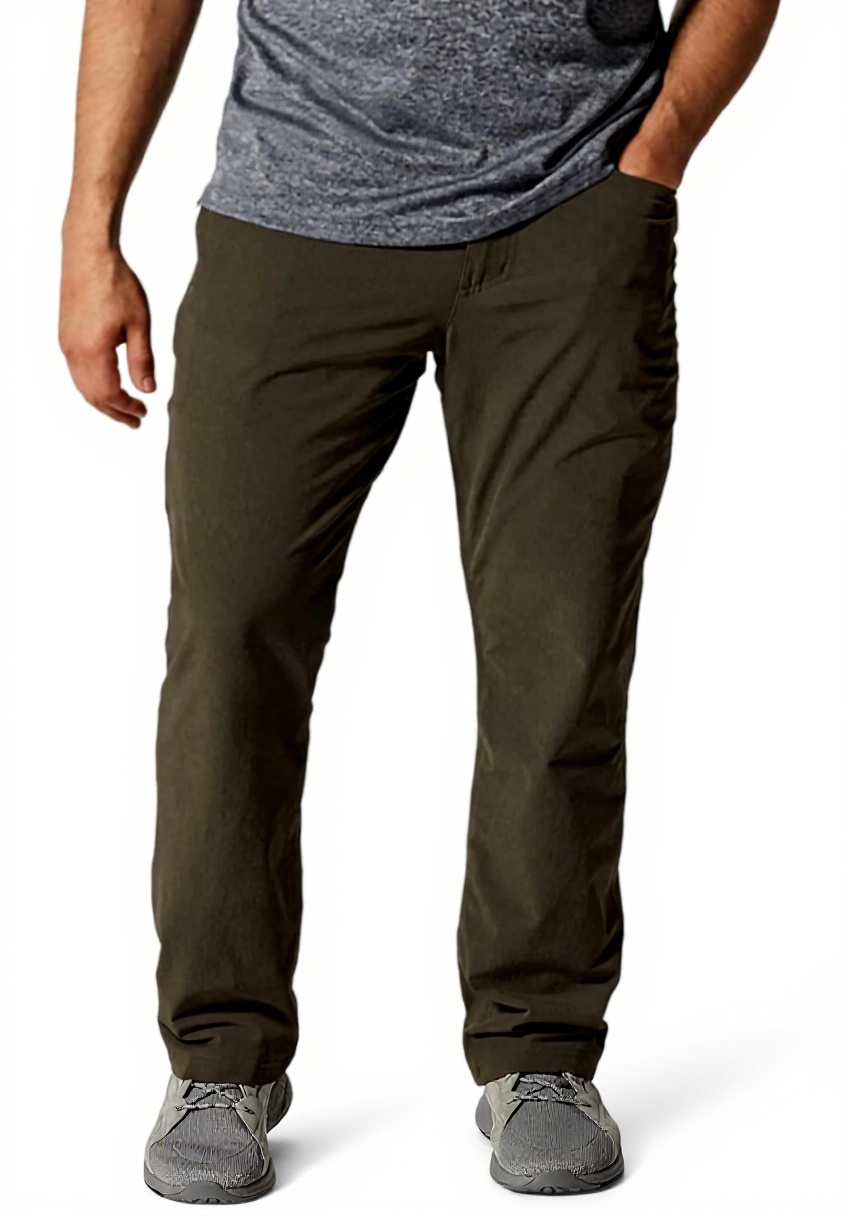
The jogger-style cuffs with adjustable toggles are a defining feature, but they present the most significant trade-off. On my average build, they create a clean look that works well with hiking boots or trainers. However, a hiking partner with more muscular calves found them uncomfortably tight, even on the loosest setting. If you have larger calves or prefer to layer base layers underneath, this could be a dealbreaker.
The five-pocket layout is genuinely useful in practice. The zipped thigh pocket securely held my phone during a brisk walk without the annoying bounce I’ve experienced with shallower pockets. The back pockets are positioned well—high enough to avoid interference with a hip belt if you’re wearing a daypack, yet accessible without awkward reaching.
Performance in Real Use
I tested the Mountain Hardwear Yumalino pants across three distinct scenarios that represent their intended use cases:
Scenario 1: Cool Weather Dog Walking (5-10°C)
This is where the Yumalino excels. The fleece backing provides noticeable warmth without the bulk of traditional hiking trousers. The stretch fabric allowed full range of motion when navigating muddy paths and climbing over stiles. After an hour of mixed pavement and trail walking, they remained comfortable with no restrictive feeling. The DWR (Durable Water Repellent) coating handled light drizzle adequately, though persistent rain would require a shell layer.
Scenario 2: Casual Day Out (10-15°C)
Worn around town with a casual jacket, these pants convincingly bridge the gap between technical and casual wear. The fit is trim without being tight, and the matte fabric looks more like chinos than technical gear. I appreciated not having to change after a morning hike before meeting friends for lunch—a small but meaningful quality-of-life benefit.
Scenario 3: Light Hiking (8-12°C)
On a moderate 10km hike with 300m elevation gain, the Yumalino performed well with caveats. The comfort and freedom of movement were excellent, but I noticed they retained more heat during the steeper sections than my dedicated hiking trousers. The lack of ventilation options means you’re committed to the warmth level—fine for steady pacing but potentially uncomfortable if you’re pushing hard uphill.
Comfort & Mobility
The four-way stretch fabric delivers on its promise, providing exceptional freedom of movement that rivals dedicated athletic wear. I could comfortably squat, lunge, and stretch without any restriction—a significant advantage over traditional hiking trousers that often sacrifice mobility for durability.
The fleece backing creates a soft, comfortable feel against the skin that eliminates the need for base layers in moderate conditions. However, this same feature becomes a limitation in warmer weather or during intense activity. These pants have a relatively narrow temperature sweet spot of approximately 5-15°C—outside this range, you’ll likely be too cold or too warm.
The elastic waistband with drawcord adjustment provides a secure fit without digging in, even when sitting for extended periods. This attention to comfort details sets the Yumalino apart from cheaper alternatives that often have poorly designed waistbands that bunch or constrict.
Durability & Weather Resistance
After several weeks of testing including bushwhacking through light brush and multiple washes, the Yumalino shows minimal signs of wear. The fabric has good abrasion resistance for its weight class, though I wouldn’t trust it for serious scrambling or bushwhacking where thicker materials like Fjällräven’s G-1000 would be more appropriate.
The DWR coating provides adequate protection against light precipitation, but this isn’t a rain pant by any means. During a sudden downpour, water began soaking through after about 10 minutes of exposure. For UK conditions where weather can change rapidly, you’ll need to pack a shell layer if there’s any chance of proper rain.
Pros & Cons
What works well:
- Exceptional comfort – the fleece backing and stretch fabric create a noticeably premium feel
- Versatile styling – transitions seamlessly from trail to town without looking out of place
- Thoughtful pocket layout – the zipped thigh pocket is particularly useful for securing valuables
- Good value at £58 – better construction and materials than budget alternatives
- Easy care – machine washes well with minimal shrinkage or pilling
What could be better:
- Limited temperature range – too warm for active use above 15°C
- Jogger cuffs limit versatility – not ideal for larger calves or layering
- Modest weather resistance – requires a shell in proper rain
- Not for technical use – lack of reinforcements and ventilation options
- Sizing runs slightly large – consider sizing down if between sizes
Comparison & Alternatives
Understanding where the Yumalino fits in the market requires comparing it to both budget and premium options:
Cheaper Alternative: Decathlon Quechua MH500 Fleece Pants (£35)
The Quechua option provides similar fleece-lined comfort at a lower price point, but with noticeable compromises. The fabric has less stretch, the stitching isn’t as refined, and the pocket layout is less practical. However, for occasional use or tight budgets, they represent good value. Choose the Quechua if you’re on a strict budget or need pants for infrequent use. Stick with the Yumalino if you’ll wear them regularly and value better mobility and durability.
Premium Alternative: Fjällräven Keb Trousers (£150)
The Keb represents the gold standard in hiking trousers, with superior durability, better weather resistance (especially when waxed), and more technical features like ventilation zips. However, they’re significantly more expensive and lack the fleece lining. Choose the Keb if you need pants for serious mountain use and variable conditions. The Yumalino makes more sense if comfort and casual versatility are your priorities.
The sweet spot: The Yumalino occupies a valuable middle ground—better quality than budget options without the premium price of technical specialists. They’re not trying to be the best technical trousers, but rather the most comfortable hybrid option.
Buying Guide / Who Should Buy
Best for beginners: If you’re new to hiking or outdoor activities and want one pair of pants that can handle light trails while still looking appropriate for everyday wear, the Yumalino is an excellent choice. The comfort and ease of use make them approachable, and you won’t feel like you’re wearing “hiking gear” when you’re not on the trail.
Best for experienced outdoor enthusiasts: As a secondary option for casual outings, dog walking, or as a comfortable pant for camp and travel, the Yumalino has a place in even a well-equipped kit. They’re perfect for those days when you want comfort without sacrificing all performance.
Not recommended for: Serious hikers who regularly tackle challenging terrain in variable conditions, anyone who needs to layer base layers underneath, or those who primarily hike in warm climates. The limitations in weather protection and temperature regulation make them unsuitable for these uses.
Frequently Asked Questions
Are these warm enough for winter hiking?
With appropriate base layers, they’re suitable for winter hiking in dry conditions down to around freezing. However, their limited weather resistance means you’ll need shell pants over them if there’s precipitation or strong winds.
How do they fit compared to regular Mountain Hardwear pants?
The Yumalino has a more relaxed fit than technical hiking pants from the same brand, with more emphasis on comfort than performance tailoring. If you’re between sizes, size down for a trimmer fit or stick with your regular size for more room.
Can you wear these in the rain?
Only briefly. The DWR coating handles light drizzle, but sustained rain will soak through. These are not waterproof pants, so carry a shell if rain is forecast.
Are they worth the price compared to cheaper alternatives?
If you’ll wear them regularly, yes. The better construction, superior comfort, and more practical features justify the premium over budget options. For occasional use, a cheaper alternative might suffice.
How do they handle odor?
The polyester fabric does a reasonable job of resisting odor, but like most synthetic materials, they’ll eventually develop smells with prolonged use. They wash well and dry quickly, making them practical for multi-day trips if you can rinse them overnight.
Final verdict: The Mountain Hardwear Yumalino pants deliver exactly what they promise—comfortable, versatile trousers that bridge the gap between activewear and casual clothing. They’re not the most technical option available, but they might be the most comfortable pants you own for cool-weather activities. If your needs align with their specific strengths, they represent good value and thoughtful design that outperforms cheaper alternatives where it matters most—in actual use.